Philips Norelco
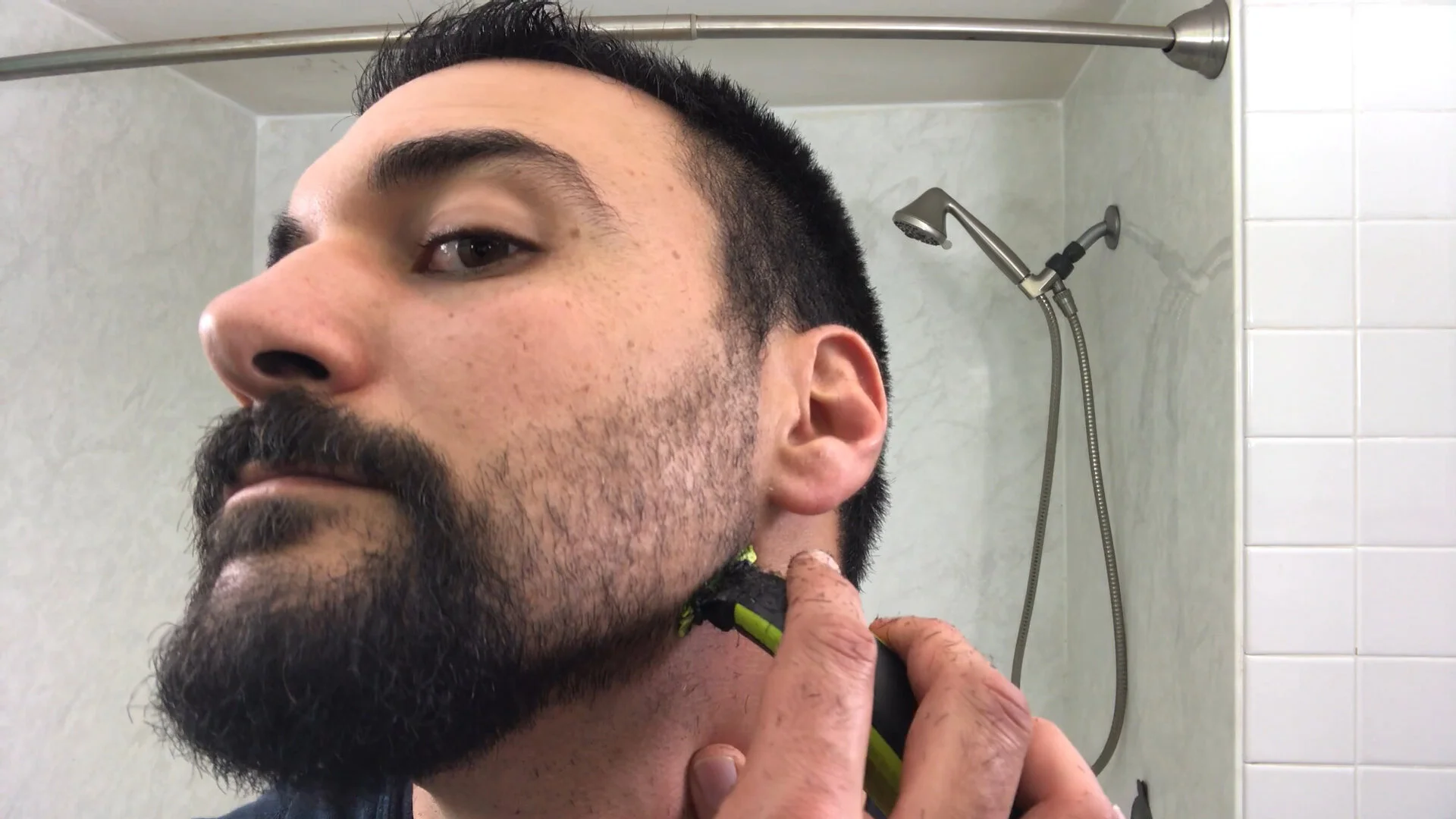
Client: Philips
Challenge: Design Strategy
My role: Design researcher, strategist
Agency: Brand Backstage
July 2020
New York, New York; Amsterdam, NL
Philips: A new design Strategy To improve legacy brand revenue
Challenge
With the shaving category at the forefront of cultural disruption, Philips found itself pivoting into a new pricing model. The Philips Norelco is Philips’ budget-friendly electric trimmer, but the company’s business relies heavily on consumers needing to regularly change cartridges. The problem: men purchase new cartridges very infrequently. So Philips approached Brand Backstage to define how might the product tap into the power of design solutions, in order to inspire men to change their cartridges more often?
My role: I was a lead researcher and strategist on the project. Together with a co-facilitator, I conducted online focus groups (two groups of N=5), developed an insights report, and presented the final design recommendation strategies to the client. I focused in particular on answering these two questions:
What level of information about blade wear is required for the user?
What makes a credible and valuable wear/replacement indicator?

No information is the best information
While testing three concepts that were prototyped by the Philips Design team, one of the main insights shined through - don’t make it tech-y. Many pre-selected participants of the focus groups agreed - the bathroom is a sanctuary, a space to retreat, to get ready for a busy day, or to feel better after the victories of the day. An object that lives in this space of calm should feel relaxing, not stress-inducing.
“I don’t want to be reminded all the time that I have to change my razor every morning. I don’t want my shaver to add to the cacophony of my to do lists”

Design Insight: People don’t want to be constantly reminded about one more thing on the to-do list; the design solution should be non-invasive to the natural flow of one’s routine.
Credible means transparent
While people appreciate information on when to replace cartridge, they seek to understand what prompts such recommendations. While discussing the pros and cons of a more directive design messaging—when to change the cartridge—we found that the timeless desire for decision autonomy has been amplified by a general cultural distrust in corporations.
“I am sure they just want me to pay more money. Before re-purchasing anything, I want to know if it is in my interests.”
Instead, people respond more positively when the information given is focused on performance. “I don’t want to hurt myself while shaving, so I am constantly thinking if it is sharp enough. Knowing—not guessing—about this information is the best way forward to me,” added Tom.
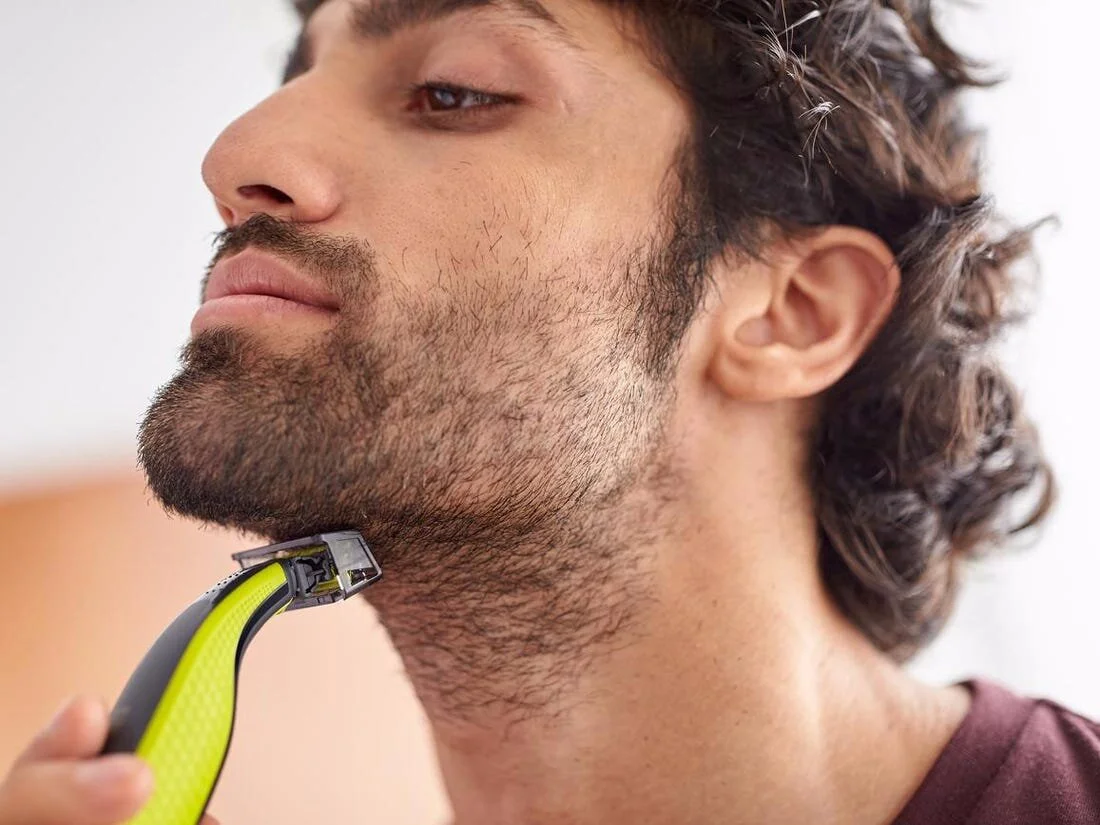
Design insight: To make sure that men believe the indicator information is readable, cartridge-change information has to focus on performance status, and avoid giving any recommendation on when to change it.
An invisible blade performance indicator is a path forward
Results of the focus group were very promising to the client. The client received meaningful, directional feedback on what type of problems consumers want them to solve, and where to focus its efforts further.

ResultS
While the new iteration of the Philips Norelco shaver is yet to be released, this case is a powerful example design is a tool to make people happier and companies more profitable.