Meta Retail: unlocking retail experiences to drive the adoption of never-before-seen technology
Client: Meta
Challenge: Design Strategy
My role: Research Lead, Strategy Director
Tools: Design Research
August 2025
New York, New York
Retail strategy to overcome the curse of early adopters
Meta has never been a retail brand, but occasional pop-ups and reliance on third-party partners (think: Walmart, Best Buy) are not options when carving out a new niche.
The role of Meta Retail is to introduce people to new possibilities and have them imagine how a new product will fit into their lives.
The worst-case scenario for any new product is staying in the space of novelty-seeking tech optimists (think: Google Glass). Non-tech audiences observe from the sidelines, thinking "Very cool, but not for me."
The solution? Meta Retail. Meta Retail is made for discovery, sharing, and having a good time.
The high-street retail experience is a way to leverage curiosity and translate it into purchase intent. The space becomes a simple invitation into a world where everyone has adopted the technology.
My role: I lead the project's design strategy. The research identified how retail space leads a customer from a curious passerby to an owner, even if they are not on the cutting-edge adoption curve.
Advertising drives curiosity. Retail space drives purchase intent.
Meta Glasses’ positioning was already decided. A hands-free camera helps people live in the moment while doing things that cannot be paused or staged. A real-use case and the main retail theme were immediately clear: skateboarding.
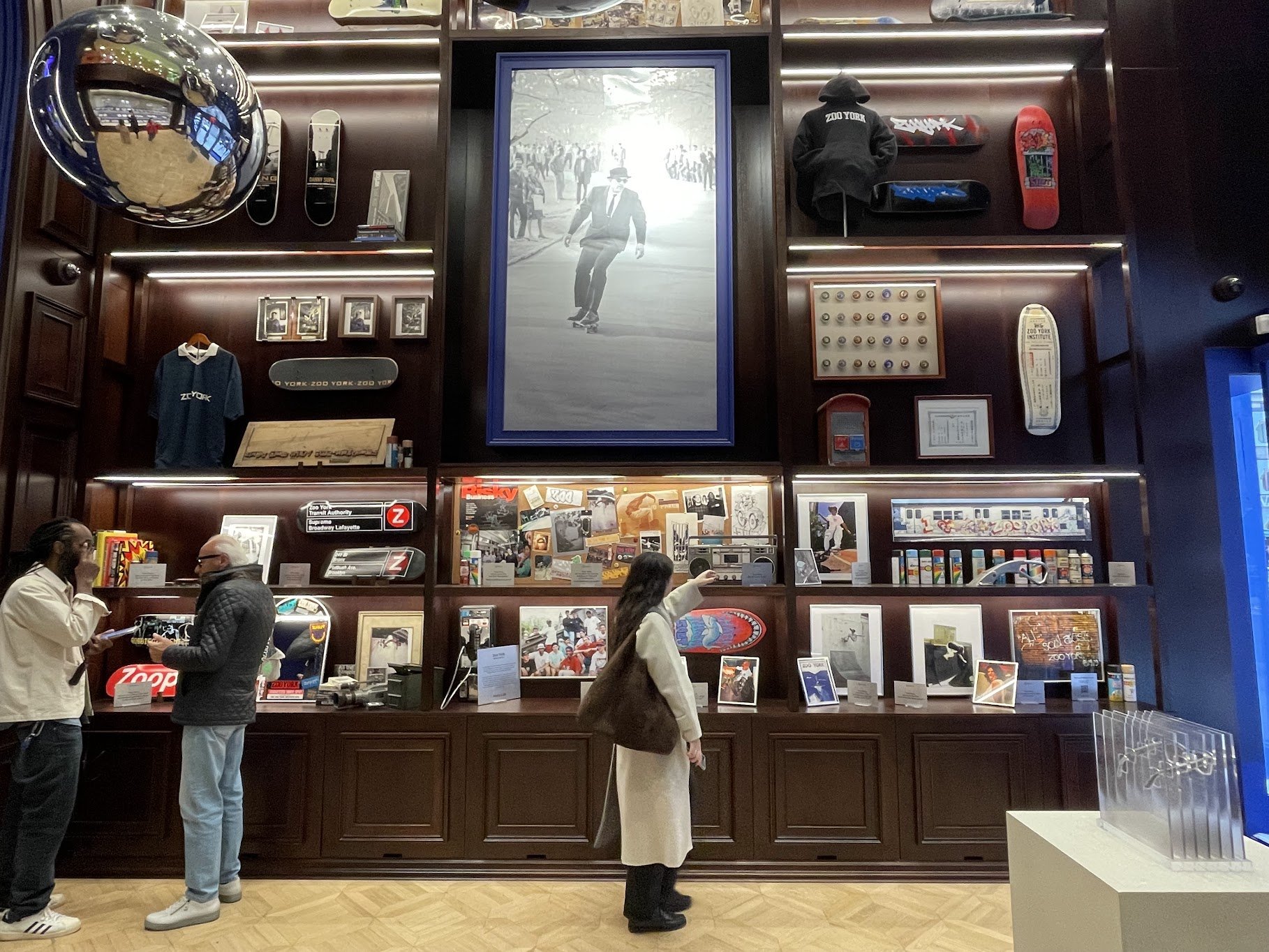
The store centers on skateboarding. A real use case that clearly shows the product’s value: a hands-free camera for moments that can’t be paused or staged.
Skateboarding is hands-free by necessity. It is continuous, physical, and difficult to interrupt. It is a clear demonstration of the Glasses' value: life as it happens, without stopping to document it.
Culturally, skateboarding is familiar rather than niche. It's native New York culture, part of the urban fabric, not an anomaly that needs decoding. This context reduced the sense of novelty and reframed the Glasses as a natural extension of a natural way of moving through the city.
Hands-free shots were first seen as an alternative to traditional cameras, and only later to action cameras. Resistance softened. The product was no longer too new, but understood for being useful.
Overcoming overstimulation
The in-store process is simple. You wander in, check out the gear, and leave. Inviting people to spend an interesting time without buying anything is an easy way to break in new tech. The space welcomes everyone. We knew groups needed more than one thing to hold their attention.
Attention to spatial details invites a discovery mindset. There are many things to see, touch, and try. The simple act of spending time in the space makes the product more familiar.
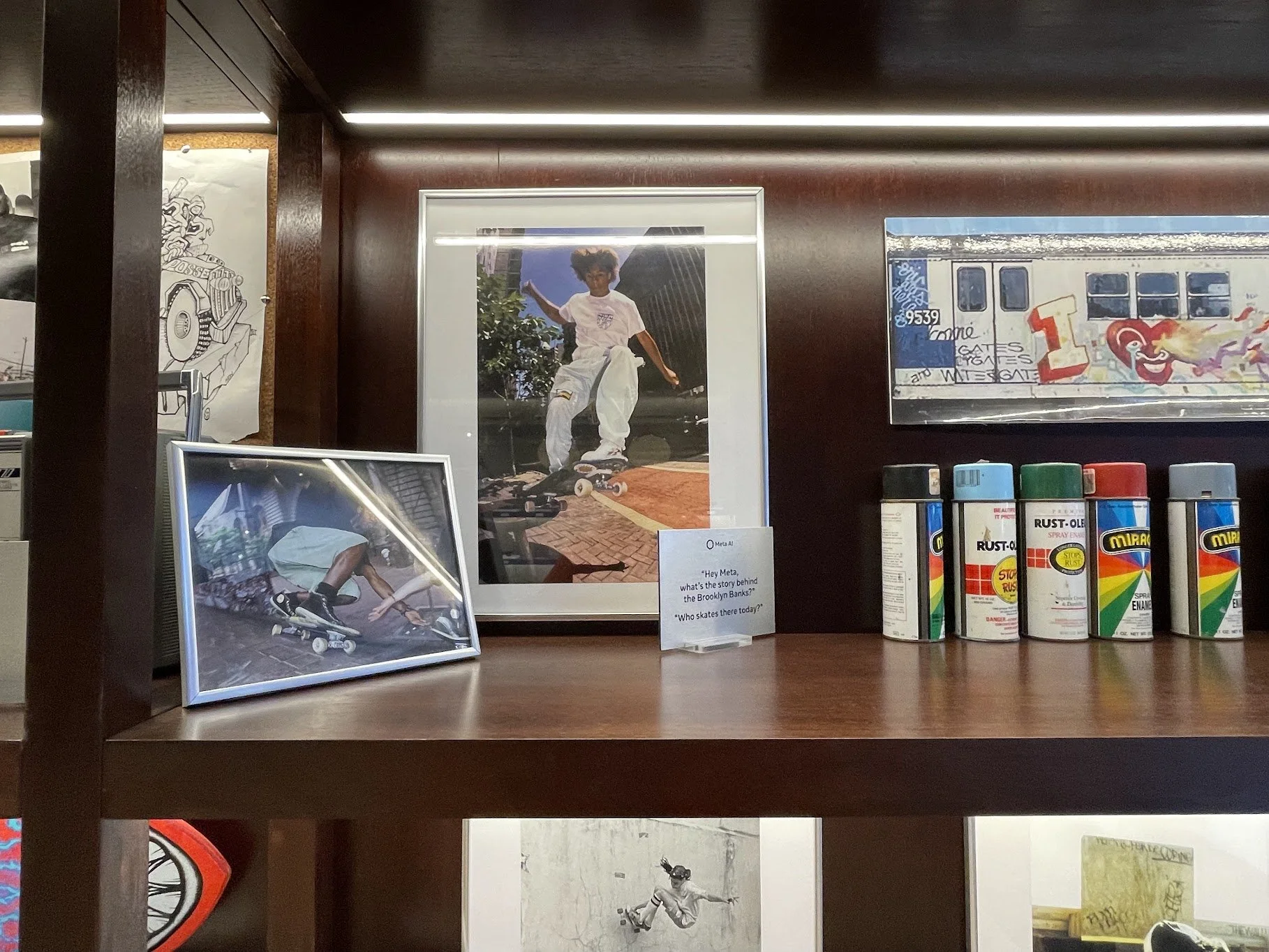
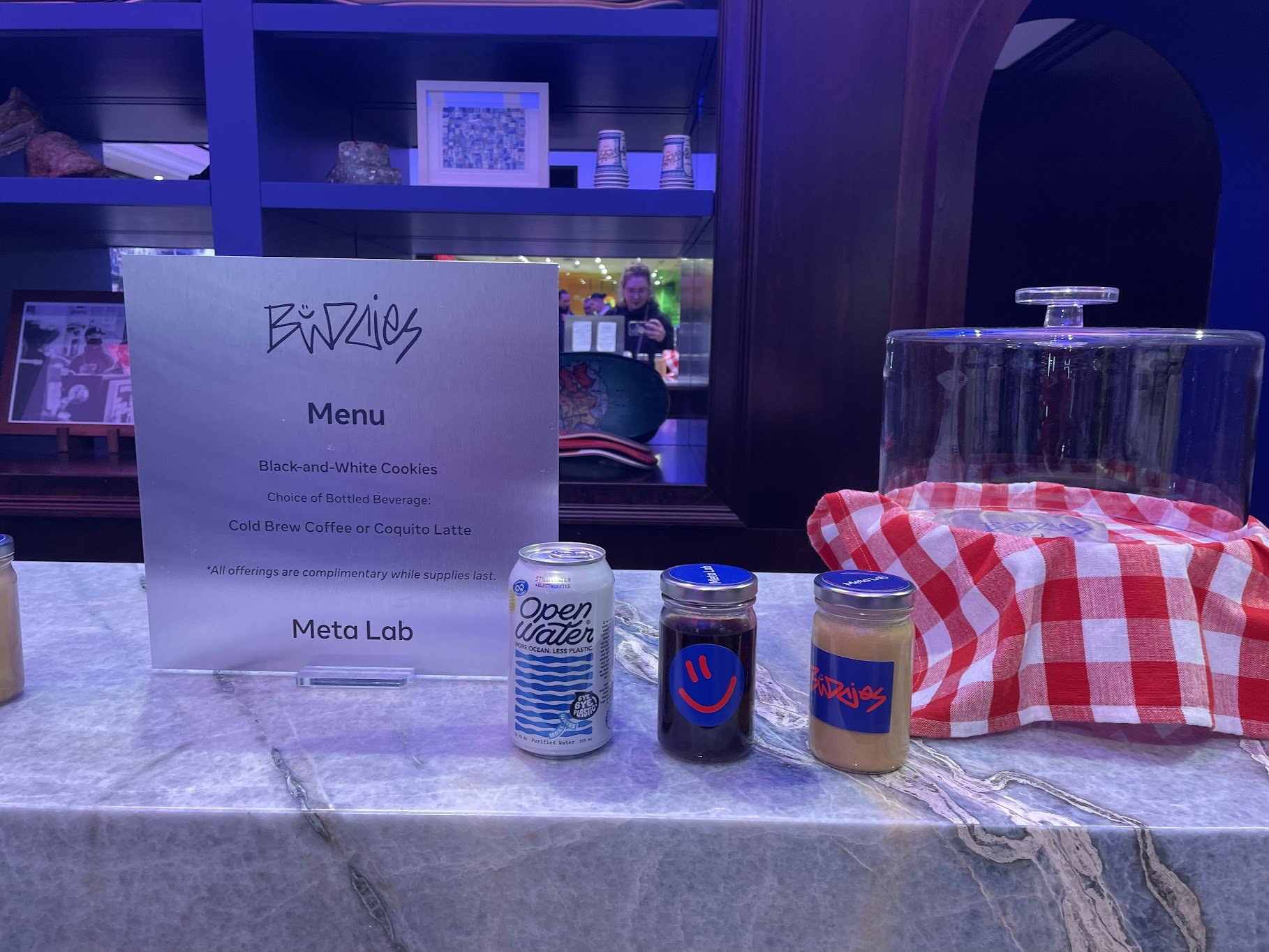
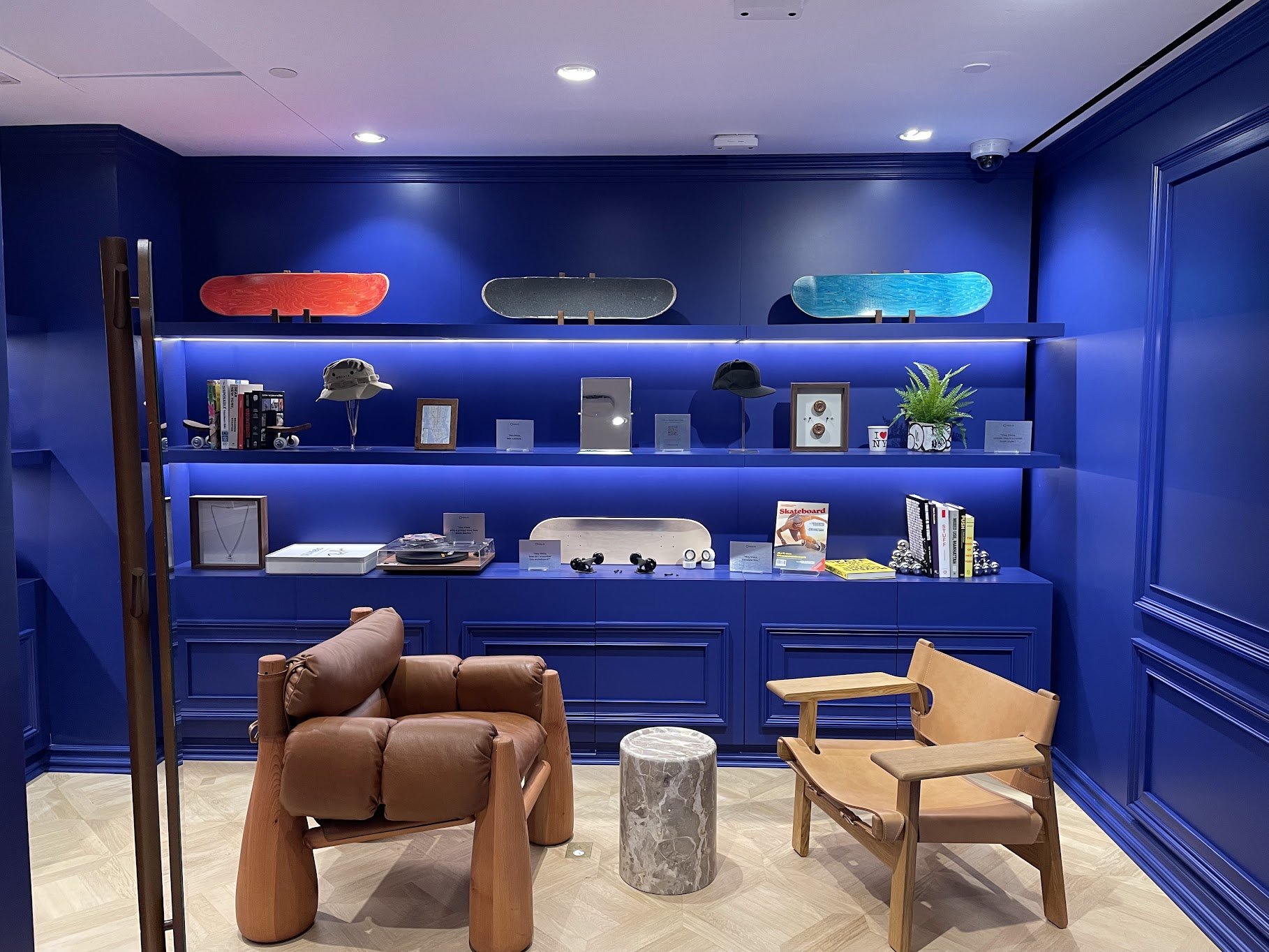
Small details matter: business card holders, memorabilia, and a coffee spot offering free coffee from a local Brooklyn place. A black-and-white cookie, one of the city's culinary symbols, was a sweet addition.
Complex technology is an unknown unknown. Glasses were easy to access and try on. Experts were on hand. A knowledgeable expert needs to guide the experience. Coffee-shop discovery does exactly this. It's inviting, familiar, and fun.
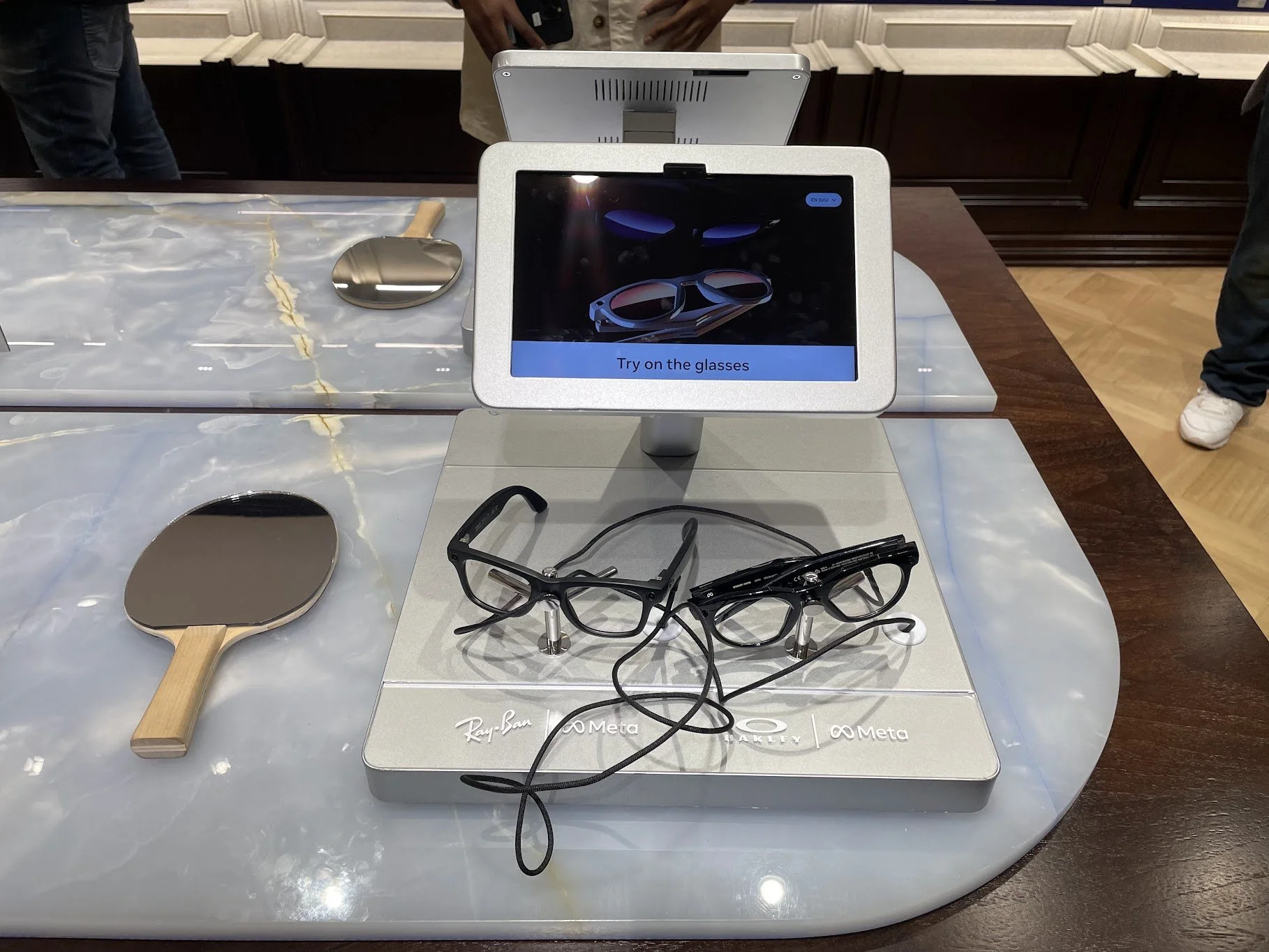
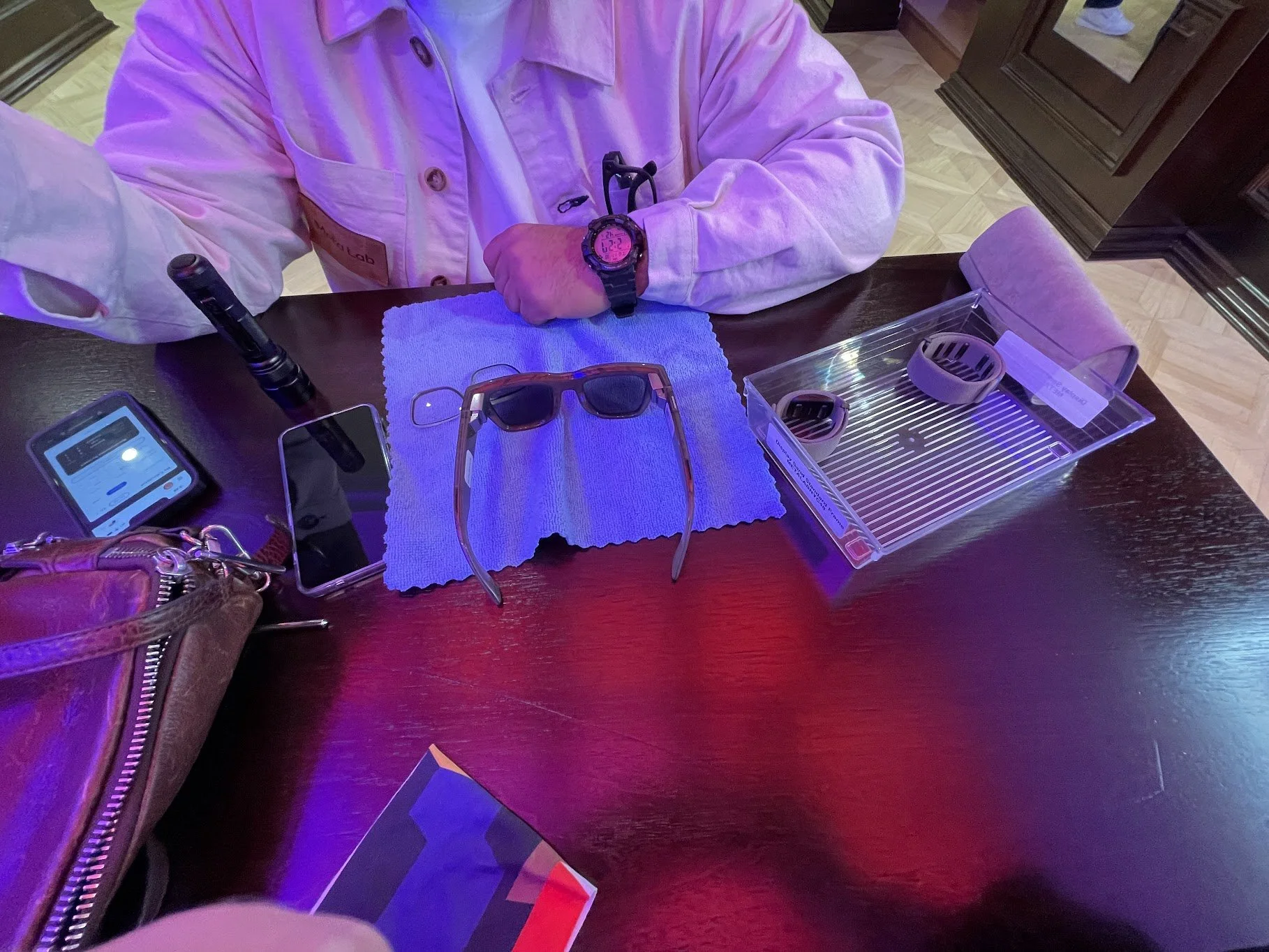
To keep the space discovery-first, all cashier stations were hidden, while every sales associate had a personal transaction pad. No pressure. No overstimulation fatigue.
RESULTS
The New York store opened in late 2025. Within weeks, queues stretched down the block. People who'd never considered smart glasses were trying them on, filming their mates, posting clips. The space didn't just sell product—it made the technology feel like it already belonged to the city.